Roof Ice Dam Removal in Seattle, WA
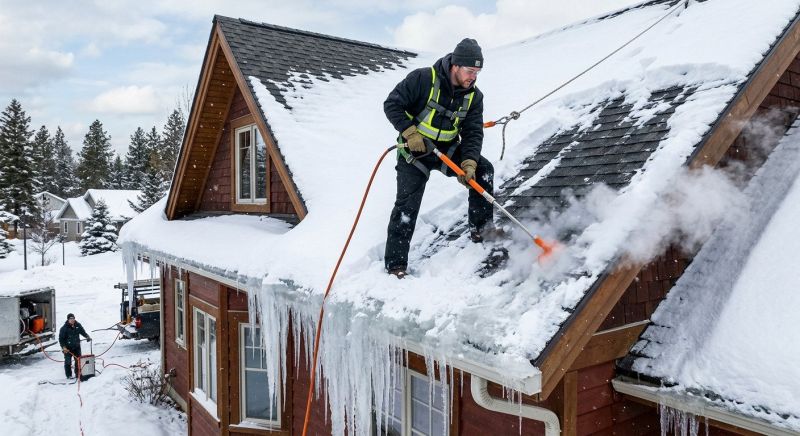
Roof ice dam removal services are designed to address the buildup of ice and snow that can form along the edges of a roof during cold weather. When ice dams develop, they can prevent melting snow from draining properly, leading to water seeping under shingles and potentially causing interior leaks, water damage, and roof deterioration. These services typically involve safely removing accumulated ice and snow from roof edges, gutters, and valleys to restore proper drainage and protect the roof’s integrity during winter months.
Homeowners considering ice dam removal often want to understand the scope of the work, including which parts of the roof are affected and how the process is safely carried out. It’s important to assess whether the project involves just clearing visible ice or if additional measures, such as gutter cleaning or insulation improvements, are recommended to prevent future issues. Property owners should also consider the timing of the service, especially during periods of heavy snowfall or freeze-thaw cycles, to ensure effective and lasting results.
Many property owners in Seattle, WA look into Roof Ice Dam Removal for repairs, replacements, upgrades, and appearance-related improvements.
Understanding Ice Dam Risks
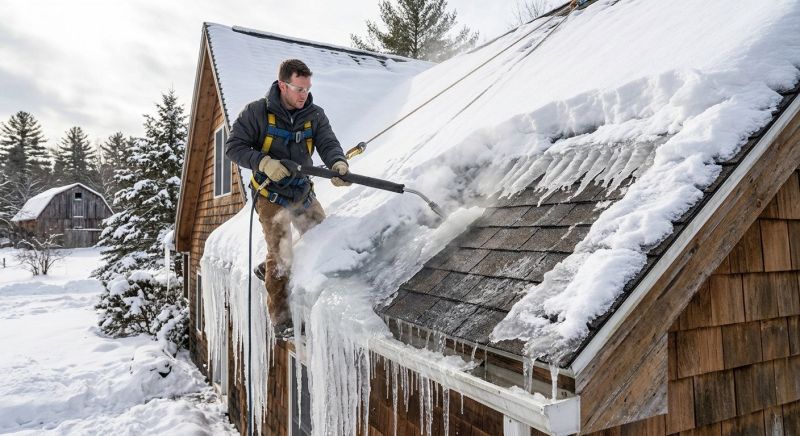
Ice dams can cause water damage and structural issues on residential roofs.
Signs Of Ice Dam Formation
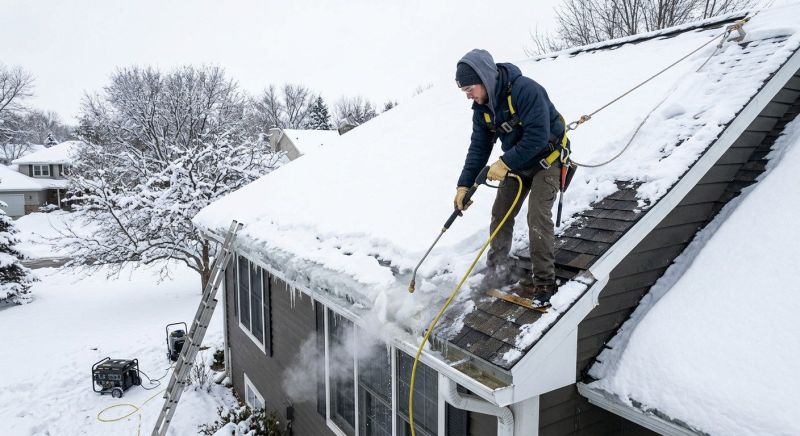
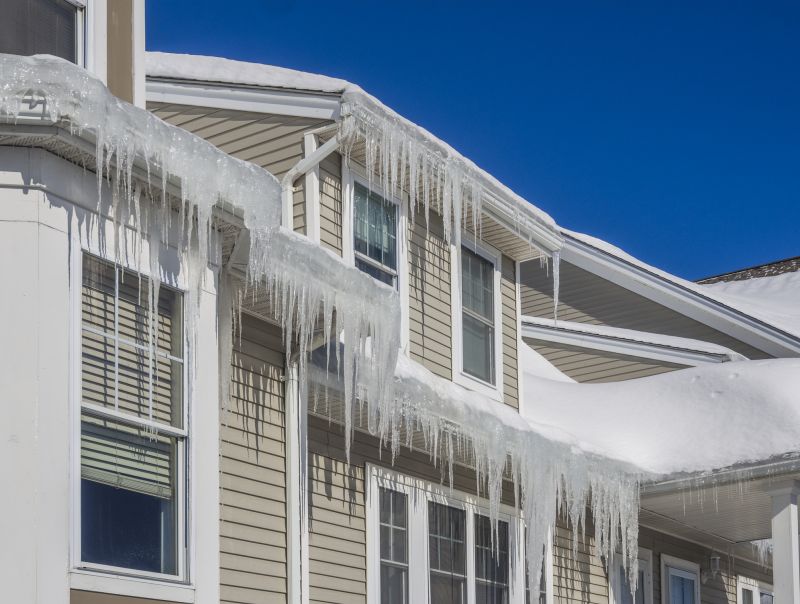
Visible icicles and melting snow along the roof edge often indicate ice dam buildup.
Preventative Maintenance Tips
Proper attic insulation and ventilation can help reduce the likelihood of ice dam formation in seattle homes.
Roof Ice Dam Removal in Seattle, WA

Roof ice dam removal services are designed to address the buildup of ice and snow that can form along the edges of a roof during cold weather. When ice dams develop, they can prevent melting snow from draining properly, leading to water seeping under shingles and potentially causing interior leaks, water damage, and roof deterioration. These services typically involve safely removing accumulated ice and snow from roof edges, gutters, and valleys to restore proper drainage and protect the roof’s integrity during winter months.
Homeowners considering ice dam removal often want to understand the scope of the work, including which parts of the roof are affected and how the process is safely carried out. It’s important to assess whether the project involves just clearing visible ice or if additional measures, such as gutter cleaning or insulation improvements, are recommended to prevent future issues. Property owners should also consider the timing of the service, especially during periods of heavy snowfall or freeze-thaw cycles, to ensure effective and lasting results.
Many property owners in Seattle, WA look into Roof Ice Dam Removal for repairs, replacements, upgrades, and appearance-related improvements.
Common Roof Ice Dam Removal Jobs
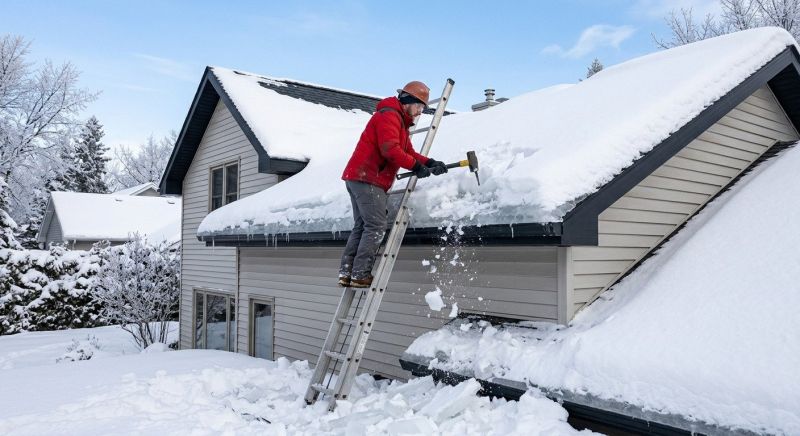
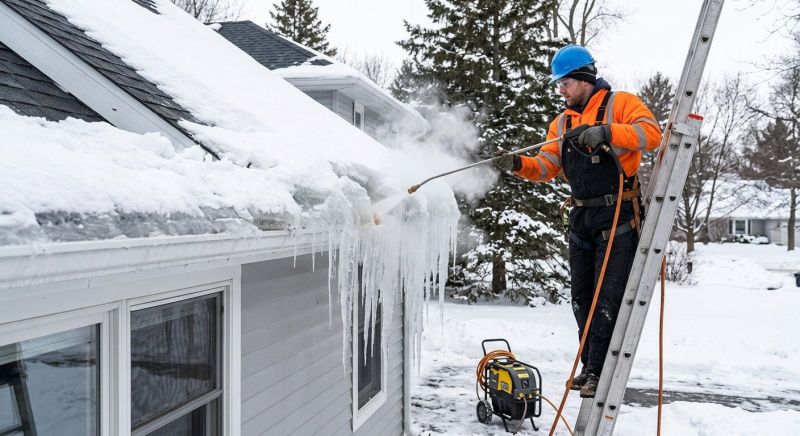
Roof Ice Dam Removal - Clearing ice buildup to prevent water damage and leaks.
Ice dam prevention - Addressing ice formations before they cause structural issues.
Snow and ice removal - Safely removing accumulated snow and ice from rooftops.
Gutter clearing services - Ensuring gutters are free of ice and debris to promote proper drainage.
Roof insulation checks - Improving insulation to reduce ice dam formation.
Leak repair assistance - Fixing any water intrusion caused by ice dam-related damage.
Roof Ice Dam Removal Questions
What causes ice dams on roofs? Ice dams form when melting snow refreezes at the roof edge, trapping additional snowmelt and water behind it.
Why should ice dams be removed? Removing ice dams prevents water from leaking into the building and reduces the risk of roof damage.
How is ice dam removal typically performed? The process involves safely breaking up and removing accumulated ice from the roof edge to allow proper drainage.
Is ice dam removal safe for the roof? When done properly, ice dam removal minimizes the risk of damage to roofing materials and underlying structures.
Request Roof Ice Dam Removal in Seattle, WA
Use the quote form on this page to share the basics of your project and request more information for the type of work you need.