Ice Dam Removal in Gig Harbor, WA
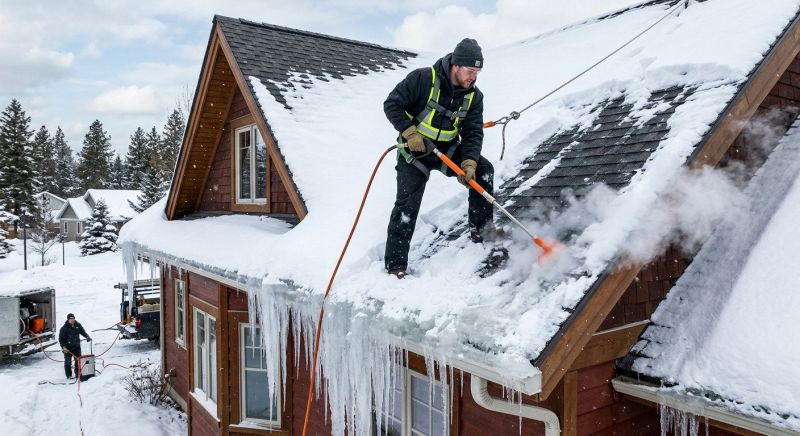
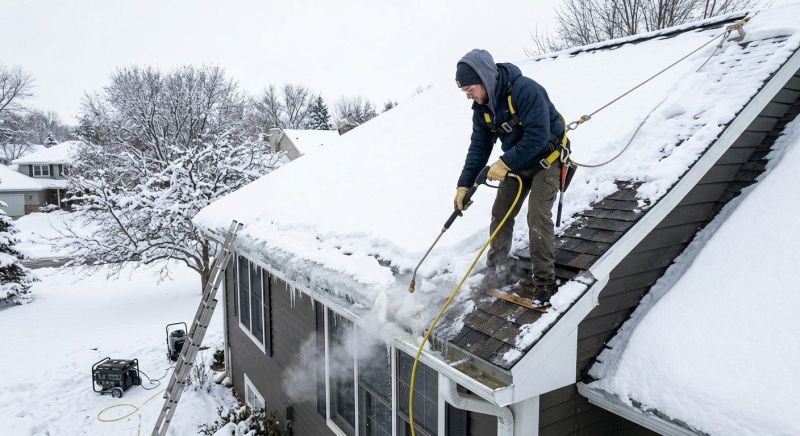
Ice dam removal services focus on addressing the buildup of ice along the edges of a roof, which can cause water to back up and leak into the interior of a property. These services typically involve safely removing accumulated ice and snow from the roof and gutters to prevent damage to roofing materials, fascia, and interior spaces. Projects often include homes and commercial buildings experiencing repeated ice dam formation during winter months, especially in areas with heavy snowfall and fluctuating temperatures.
Property owners considering ice dam removal usually want to understand the causes of ice dam formation, the methods used for removal, and any potential impacts on their roofing system. It’s important to evaluate the extent of ice buildup, the best approach to safely clear it, and how to prevent future issues. Proper removal can help protect the property from water damage, mold growth, and structural deterioration caused by trapped moisture.
Many property owners in Gig Harbor, WA look into Ice Dam Removal for repairs, replacements, upgrades, and appearance-related improvements.
Understanding Ice Dams
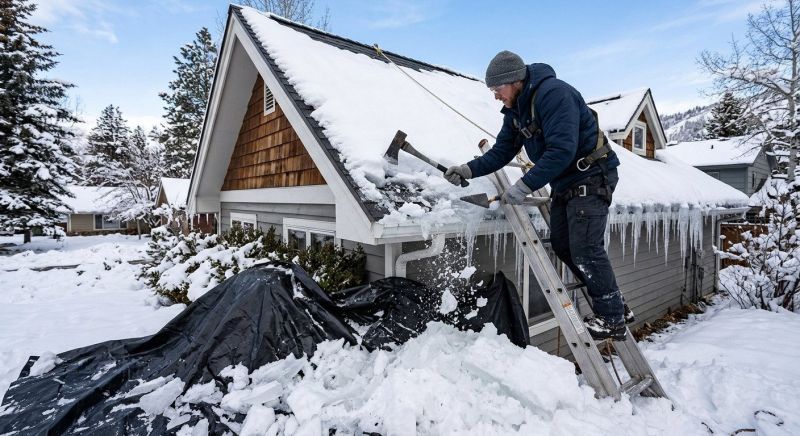
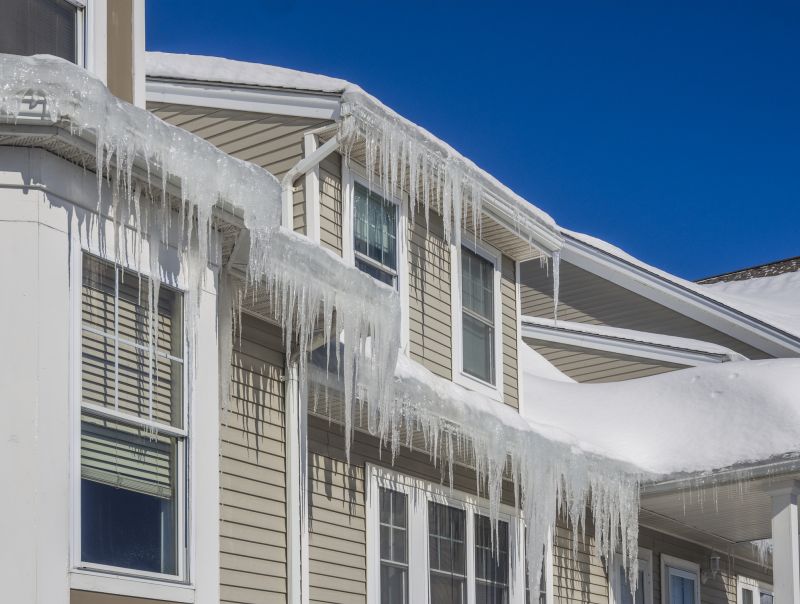
Ice dams form when melting snow refreezes at the roof edge, causing water to back up and leak into the home.
Signs Of Ice Dam Issues
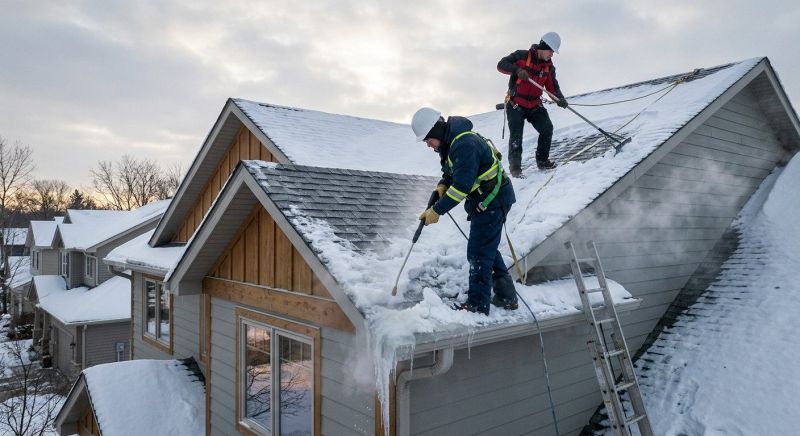
Visible ice buildup, water stains on ceilings, and melting snow near gutters can indicate ice dam formation.
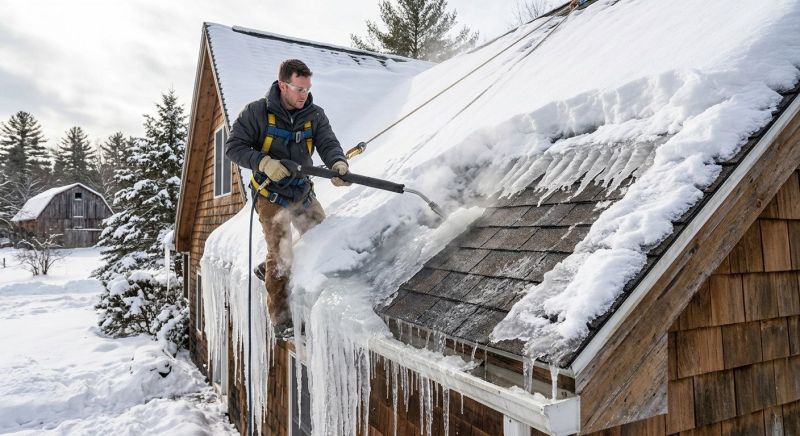
Ice Dam Removal Solutions
Effective removal methods help prevent water damage and maintain roof integrity for properties in gig harbor, wa.
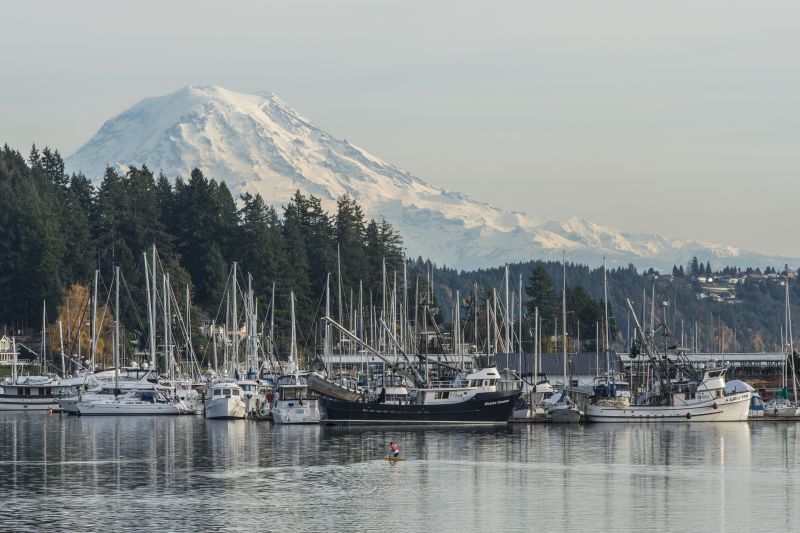
Ice Dam Removal in Gig Harbor, WA
Ice dam removal services focus on addressing the buildup of ice along the edges of a roof, which can cause water to back up and leak into the interior of a property. These services typically involve safely removing accumulated ice and snow from the roof and gutters to prevent damage to roofing materials, fascia, and interior spaces. Projects often include homes and commercial buildings experiencing repeated ice dam formation during winter months, especially in areas with heavy snowfall and fluctuating temperatures.
Property owners considering ice dam removal usually want to understand the causes of ice dam formation, the methods used for removal, and any potential impacts on their roofing system. It’s important to evaluate the extent of ice buildup, the best approach to safely clear it, and how to prevent future issues. Proper removal can help protect the property from water damage, mold growth, and structural deterioration caused by trapped moisture.
Many property owners in Gig Harbor, WA look into Ice Dam Removal for repairs, replacements, upgrades, and appearance-related improvements.
Common Ice Dam Removal Jobs
Ice Dam Removal - safe removal of ice buildup that can cause roof damage.
Roof Ice Dam Prevention - techniques to reduce future ice dam formation and protect roofing systems.
Ice Dam Inspection - assessment of roof and attic conditions to identify ice dam risks.
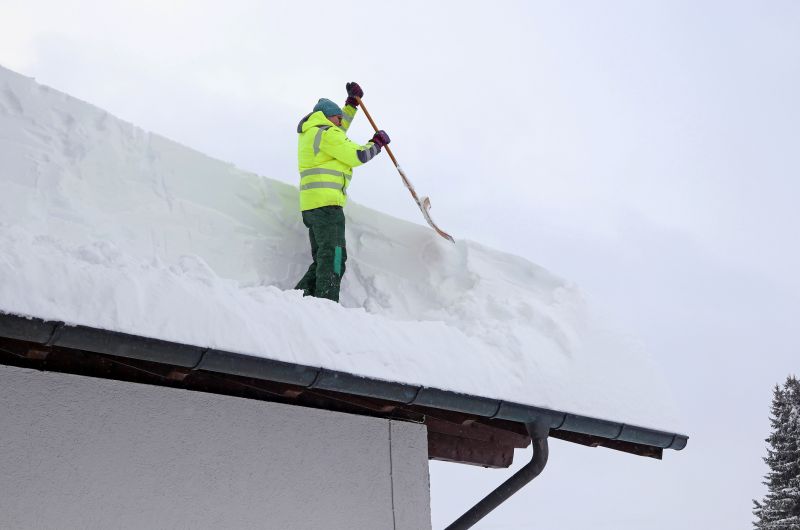
Snow and Ice Clearing - removal of accumulated snow and ice to prevent ice dam development.
Attic Ventilation Checks - evaluation of attic airflow to minimize heat escape and ice dam formation.
Drainage System Maintenance - clearing gutters and downspouts to ensure proper water flow away from the roof.
Ice Dam Removal Questions
What causes ice dams to form? Ice dams develop when melting snow refreezes at the roof edge, preventing proper drainage and causing water to back up into the attic or gutters.
Why should ice dams be removed? Removing ice dams helps prevent water leaks, roof damage, and mold growth caused by trapped moisture and water infiltration.
What types of roofs are most affected by ice dams? Sloped roofs with inadequate insulation or ventilation are more prone to ice dam formation and related issues.
When is the best time to remove an ice dam? Ice dams should be addressed as soon as they are identified to minimize potential damage and water intrusion.
Request Ice Dam Removal in Gig Harbor, WA
Use the quote form on this page to share the basics of your project and request more information for the type of work you need.